Killer Korean in 60 Seconds(+Topik focused) "우회전" 과 "좌회전" Right Turn and Left Turn
우회전과 좌회전
u-hoe-jeon-gwa jwa-hoe-jeon | Right Turn and Left Turn1분 안에 끝내는 고급 한국어: 도로 위에서의 방향 전환부터 인생과 비즈니스의 전략적 노선 변경까지 명확히 학습합니다.
Advanced Korean in 1 Minute: Learn clearly from physical direction changes on the road to strategic course corrections in life and business.
1. 스토리 및 본문 (Story & Context)
사거리에서 우회전(u-hoe-jeon) 시에는 항상 보행자 신호를 확인해야 합니다.
When making a right turn at an intersection, one must always check the pedestrian signal.
이 도로는 좌회전(jwa-hoe-jeon)이 금지되어 있으니, 직진 후 유턴하세요.
Left turns are prohibited on this road, so please go straight and make a U-turn.
인생의 중요한 갈림길에서, 어떤 방향으로 우회전 또는 좌회전을 할지 결정해야 합니다.
At a critical fork in the road of life, you must decide whether to make a right turn or a left turn.
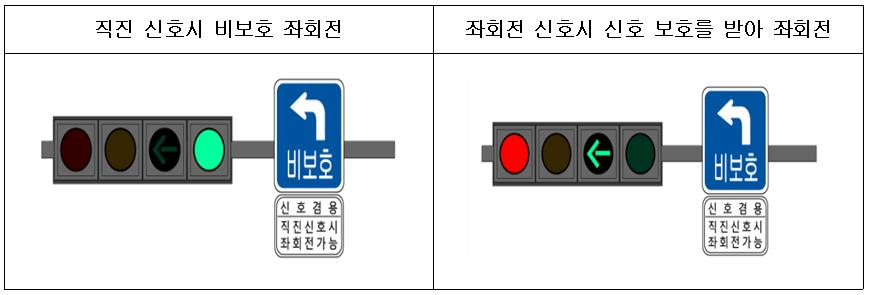
‘우회전과 좌회전’은 단순한 방향 지시를 넘어 비즈니스나 정책 결정에서 방향 전환과 전략적 선택을 논할 때 쓰이는 고급 표현입니다.
The phrase 'u-hoe-jeon and jwa-hoe-jeon' goes beyond simple directions; it is an advanced expression used to discuss directional changes and strategic choices in business or policy.
우회전이 신중한 진행을 상징한다면, 좌회전은 종종 대기나 허가가 필요한 중요한 결정의 순간에 비유됩니다.
While a right turn symbolizes careful advancement, a left turn is often likened to a moment of significant decision requiring permission or waiting.
비즈니스 환경에서는 "시장 상황에 따라 좌회전(전략 수정)이 필요할 수 있습니다"와 같이 활용할 수 있습니다.
In a business environment, it can be used like "A left turn (strategy change) may be needed depending on market conditions."
정책적 측면에서도 "정부는 기존 노선에서 좌회전하지 않기로 했습니다"처럼 기존 방침 유지를 뜻할 때 쓰입니다.
In policy contexts, it is also used to indicate maintaining existing policies, as in "The government decided not to make a left turn from its existing course."
2. 동영상 학습 (Video Lesson)
60초 숏폼 영상을 통해 발음과 원어민의 음성을 직접 들어보세요.
Listen directly to native speakers' pronunciation and intonation through this 60-second short video.
3. 핵심 어휘 풀이 (Vocabulary)
본문에 등장한 핵심 한자어 어휘를 체계적으로 정리합니다.
Systematically review the key Sino-Korean vocabulary introduced in the lesson.
| 어휘 (Word) | 의미 및 한자 (Meaning & Hanja) |
|---|---|
| 우회전 (u-hoe-jeon) | 오른쪽으로 돎 (Right Turn / 右旋) |
| 좌회전 (jwa-hoe-jeon) | 왼쪽으로 돎 (Left Turn / 左旋) |
| 보행자 신호 (bo-haeng-ja sin-ho) | 사람이 건너는 신호등 (Pedestrian Signal / 步行者 信號) |
| 갈림길 (gal-lim-gil) | 여러 갈래로 갈라진 길, 선택의 순간 (Crossroads / Fork in the road) |
| 비보호 (bi-bo-ho) | 신호 없이 안전을 확인 후 진행함 (Unprotected Turn / 非保護) |
우회전 (右旋): 오른쪽(右)으로 돌다(旋). 교통 규정에서 보행자 보호 의무가 강하게 부여됩니다.
Right Turn (右旋): Turning to the right. Under traffic regulations, a strong duty to protect pedestrians is enforced.
좌회전 (左旋): 왼쪽(左)으로 돌다(旋). 한국에서는 지정된 신호나 비보호 표지판 아래에서만 허용됩니다.
Left Turn (左旋): Turning to the left. In Korea, it is permitted only under designated signals or unprotected left-turn signs.
4. TOPIK 시험 핵심 포인트 (TOPIK Point)
TOPIK II 읽기/듣기 시험에서는 단순한 교통 안내문뿐만 아니라, **사회 현상이나 경제 정책의 변화**를 설명할 때 '방향 전환'의 은유로 출제됩니다.
In the TOPIK II Reading and Listening tests, 'direction change' is tested not only as a simple traffic sign guide but also as a metaphor for changes in social phenomena or economic policy.
특히 '우회전 시 일시정지'에 관한 실용문 지문이나 '기업의 좌회전(노선 변경)'에 관한 비평 지문이 자주 등판하므로 한자어 어휘 구조를 파악해 두어야 합니다.
In particular, practical reading texts regarding 'mandatory stop on right turns' or critique articles on 'corporate left turns (course pivots)' frequently appear, so understanding Sino-Korean word roots is vital.
5. 한국 문화 노트 (Culture Note)
한국의 운전 문화에서 '우회전'은 매우 엄격한 법률 적용을 받습니다. 보행자 신호가 초록불일 때는 무조건 일시정지해야 합니다.
In Korean driving culture, 'right turns' are subject to very strict laws. Drivers must come to a complete stop whenever the pedestrian signal is green.
또한 한국 뉴스나 언론에서는 기업이나 정부가 정책을 전면적으로 바꿀 때 "좌회전 신호를 켰다" 또는 "우회전을 시도한다"는 비유적 표현을 자주 사용합니다.
Furthermore, Korean media frequently use figurative expressions like "turned on the left-turn signal" or "attempting a right turn" when corporations or governments radically shift policies.
6. 문법 및 표현 구조 (Grammar)
1) N + 시에는 (When / Upon doing)
특정 상황이나 시점을 나타낼 때 격식 있게 사용됩니다.
Used formally to express a specific situation or timing.
예문: 우회전 시에는 반드시 보행자를 확인하세요.
Example: When turning right, make sure to check for pedestrians.
2) V + 아/어/여야 하다 (Must / Should)
의무나 필연성을 나타내는 문법입니다.
A grammar pattern indicating obligation or necessity.
예문: 중요한 갈림길에서 방향을 결정해야 합니다.
Example: You must decide your direction at an important crossroads.
7. 핵심 요약 (Summary)
1. 우회전(Right Turn): 오른쪽 방향 전환. 교통법상 보행자 보호 및 일시정지 의무가 강조됨.
1. Right Turn (우회전): Turn right. Pedestrian protection and mandatory stop are emphasized by traffic laws.
2. 좌회전(Left Turn): 왼쪽 방향 전환. 비보호 또는 지정 신호에 맞춰 진입해야 함.
2. Left Turn (좌회전): Turn left. Must proceed according to non-protected rules or designated signals.
3. 비유적 확장: 인생이나 비즈니스에서 기존 노선을 바꾸고 전략적 선택을 하는 것을 뜻함.
3. Figurative Extension: Represents changing existing routes and making strategic decisions in life or business.
8. 쉐도잉 훈련 (Shadowing Practice)
원어민의 억양과 속도를 따라 읽으며 소리 내어 연습하세요.
Practice aloud by matching the native speaker's intonation and speed.
문장 1: 사거리에서 우회전 시에는 보행자 신호를 확인하세요.
(Sa-geo-ri-e-seo u-hoe-jeon si-e-neun bo-haeng-ja sin-ho-reul hwa-gin-ha-se-yo.)
When making a right turn at an intersection, check the pedestrian signal.
문장 2: 이 도로는 좌회전이 금지되어 있습니다.
(I do-ro-neun jwa-hoe-jeon-i geum-ji-doe-eo it-seum-ni-da.)
Left turns are prohibited on this road.
문장 3: 비즈니스 전략에 과감한 좌회전이 필요한 때입니다.
(Bi-jeu-ni-seu jeon-ryak-e gwa-gam-han jwa-hoe-jeon-i pil-yo-han ttae-im-ni-da.)
It is time for a bold left turn in business strategy.
9. 원어민 표현 및 자주 하는 실수 (Native Expression & Common Mistakes)
원어민 관용 표현 (Native Idiom)
"핸들을 틀다" (To turn the steering wheel)
의미: 사업이나 진행 중인 계획의 방향을 갑자기 바꾸다.
Meaning: To suddenly change the direction of a business or ongoing plan.
예문: 경영진은 프로젝트 실패를 막기 위해 급히 핸들을 틀었습니다.
Example: The management hurriedly turned the steering wheel (pivoted) to prevent project failure.
자주 하는 실수 (Common Pitfall)
❌ 실수: '비보호 좌회전'을 신호에 관계없이 마음대로 가는 것으로 오해함.
❌ Mistake: Misunderstanding 'Unprotected Left Turn' as turning freely regardless of the traffic signal.
⭕ 정정: '비보호 좌회전'은 반드시 **녹색 직진 신호**일 때 반대편 직진 차량이 없는지 확인 후 좌회전해야 합니다.
⭕ Correction: 'Unprotected Left Turn' must be made on a **green light** only after checking that no oncoming vehicles are proceeding straight.
10. 읽기 확인 및 말하기 연습 (Reading Check & Speaking Practice)
Q1: 한국에서 우회전을 할 때 가장 먼저 확인해야 하는 것은 무엇인가요?
Q1: What is the first thing you must check when making a right turn in Korea?
정답: 보행자 신호와 건너는 보행자 유무
Answer: Pedestrian signal and whether pedestrians are crossing.
Q2: 말하기 연습 (Speaking Prompt): "당신의 인생에서 가장 중요한 좌회전(방향 전환)은 언제였나요?"
Q2: Speaking Prompt: "When was the most important left turn (direction change) in your life?"
11. 복습 퀴즈 (Review Quiz)
Q1. 다음 중 '오른쪽으로 방향을 바꾸다'라는 뜻의 한자어 어휘는 무엇일까요?
Which Sino-Korean word means 'turning to the right'?
Q2. '비보호 좌회전'에 대한 설명으로 올바른 것은 무엇인가요?
Which of the following is correct regarding an 'Unprotected Left Turn'?
12. 최종 핵심 요점 및 다음 단계 (Key Takeaways)
'우회전과 좌회전'은 교통 표지판을 읽는 기본 어휘이자, 한국어 신문이나 비즈니스 회의에서 전략적 변화를 나타내는 고급 표현입니다.
'Right Turn and Left Turn' serves as both basic vocabulary for reading traffic signs and an advanced expression indicating strategic shifts in Korean news and business meetings.
더 깊이 있는 커리어 및 비즈니스 한국어 기회를 탐색해 보세요.
Explore deeper opportunities in career and business Korean.
🚀 GO TO FURTHER & DEEPER (새로운 커리어 기회 포착)


댓글
댓글 쓰기