Killer Korean in 60 Seconds(+Topik focused) "도덕적 해이"
📌 This premium briefing is part of the integrated digital curriculum: Killer Korean in 60 Seconds
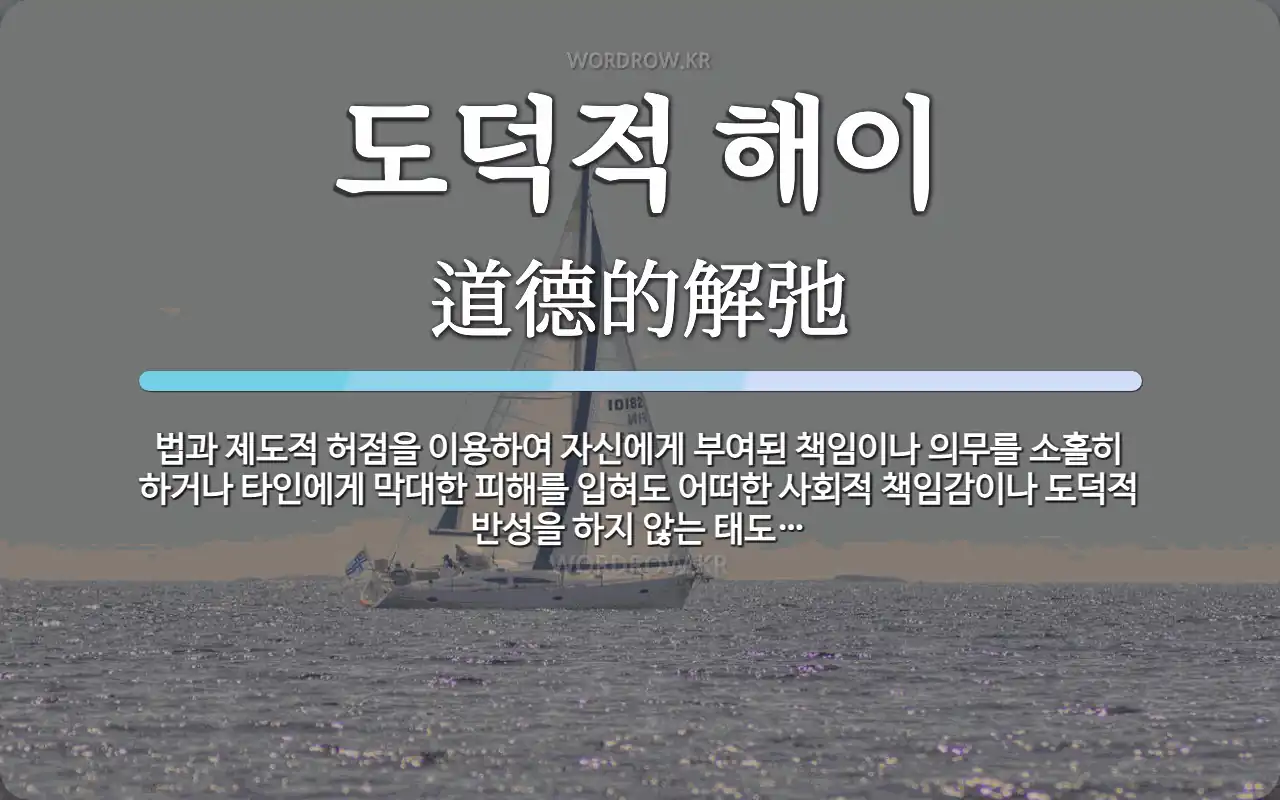
Killer Korean in 60 Seconds: 도덕적 해이 (Moral Hazard)
Special Feature: Asymmetric Information & Social Responsibility in Business & Public Policy- '도덕적 해이 (Moral Hazard)' refers to a situation where a party insulated from risk behaves with negligence or laxity, shifting potential losses onto others.
- Originating from insurance and financial economics, it stems from '정보의 비대칭성' (asymmetric information) between risk-takers and risk-bearers.
- In insurance, policyholders who neglect precautions after getting coverage exemplify classic '도덕적 해이'.
- In macroeconomics, unconditional corporate bailouts can induce severe corporate '도덕적 해이', encouraging reckless investments.
- Effective governance, transparent oversight, and institutional safeguards are critical to preventing systemic '도덕적 해이' in both public and private sectors.
📺 Live Video Verification
Watch the 60-second intensive briefing explaining the economic core and real-world Korean context of '도덕적 해이'.
📐 Structural Breakdown of the Term
📚 High-Yield Vocabulary Masterclass
Master these 5 high-yield TOPIK & Business Korean expressions extracted from news, finance, and policy discourse.
1. 도덕적 해이 do-deok-jeok hae-i
Failing to take precautions after purchasing insurance is a classic moral hazard.
2. 도덕적 do-deok-jeok
The ethical duty of a corporation is essential for building public trust.
3. 해이 hae-i
If laxity of discipline inside an organization continues, it can lead to major disasters.
4. 방만 bang-man
Voices calling for the reform of public corporations' reckless management structures are high.
5. 정보의 비대칭성 jeong-bo-ui bi-dae-ching-seong
Fairness in market transactions can only be secured when information asymmetry is resolved.
✍️ Structural Analysis & Societal Context
'도덕적 해이'는 본래 Insurance Economics에서 통용되던 기술적 용어였으나, 현대 사회에서는 금융, 행정, 기업 경영 전반에서 책임을 다하지 않는 행태를 비판하는 대표적인 키워드로 확장되었습니다.
특히 타인의 자본이나 공공의 재원을 다루는 분야에서 정보의 비대칭성을 악용하거나 손실을 타인에게 전가하는 행위는 심각한 사회적 비용을 발생시킵니다. 예를 들어, 한국 회사 내 비즈니스 분쟁 사례에서 보듯 임직원의 도덕적 해이는 기업의 존립을 위협하는 핵심 위험 요인입니다.
또한 정책적 차원에서도 공적 구제금융이 과도할 경우, 시장 참여자들이 위험 관리를 소홀히 하는 현상이 지적됩니다. 이러한 이슈는 공적 영역과 사적 영역의 경계 논의와 직결되며, 궁극적으로 조직 윤리와 내부 통제 시스템의 고도화가 강력히 요구됩니다.
직장 내 윤리 의식 정립 및 효율적인 리스크 관리를 위한 시사점은 한국 오피스의 실질적 조직 문화 심층 분석을 통해서도 지속적으로 확인할 수 있습니다.
🎯 Practical Business Usage Scenarios
보험 및 금융 시장에서의 활용
"보험에 가입한 후에는 사고를 조심하지 않는 도덕적 해이가 보험료 인상의 원인이 됩니다."
The moral hazard of not being careful after getting insurance causes an increase in premiums.
구제금융 및 기업 경영 평가
"정부의 무조건적인 구제금융은 기업들에게 도덕적 해이를 부추길 수 있다는 비판이 있습니다."
There is criticism that the government's unconditional bailout could encourage moral hazard among companies.
공공 부문 감사 및 제도 개혁
"공직자들의 도덕적 해이를 막기 위한 강도 높은 감시 시스템이 필요합니다."
Strong monitoring systems are necessary to prevent moral hazard among public officials.
🔗 Key Institutional Reference & Regulatory Hubs
✏️ Editorial Assessment Exercises
Test your understanding of '도덕적 해이' and its proper contextual application in advanced Korean.
Q1. Context Scenario: A financial analyst wants to state that unconditional government aid might lead to corporate negligence. Which phrase correctly completes the sentence?
정부의 무분별한 보조금 지원은 기업의 ( )를 초래할 위험이 있다.
Q2. Vocabulary Match: Which word best describes the loosening or slackness of mental alertness or organizational discipline?
최근 공직 사회 내부에서 업무 ( ) 현상이 심각하게 지적되고 있다.
Unlock Daily Advanced Business Korean Briefings
Get 60-second high-yield vocabulary, economic blueprints, and native insights delivered daily.
Subscribe Now (구독하기)


댓글
댓글 쓰기