Day 41 : ' --앗/었었- [-at/eot-eot-]'_ TOPIK Lv.3 _ CIdentifying Characters' Feelings/Attitudes (Day 41)
📌 TOPIK Essential: 한국어능력시험 대비 (Korean Proficiency Test Preparation Hub)
TOPIK Level 3 Breakthrough • Day 41
Topik 3급! 오답을 정복하라! Day 41: 인물의 심정 및 태도 파악
TOPIK Level 3: Conquer the Wrong Answers! Day 41 - Identifying Characters' Feelings1. Story & Error Analysis (오답 유형 분석)
본 학습은 TOPIK 3급에서 자주 틀리는 인물의 심정 파악 오답유형을 분석하여 학습자의 실력을 향상시킵니다.
This lesson analyzes common mistake types in identifying characters' feelings to improve learner proficiency for TOPIK Level 3.❌ 오답의 대표적 사례 (Common Mistakes)
오답 유형: 상황의 결과만 보고 인물의 현재 심정을 성급하게 추측함
Mistake Type: Making a hasty guess about the character's current feelings based solely on the outcome of the situation.잘못된 접근: "시험에 떨어졌으니 주인공은 무조건 절망하고 있을 거야."
Incorrect Approach: "Since the character failed the exam, they must be in total despair."핵심 전략: 지문에서 인물이 '다음에는 더 잘할 수 있을 거야'라고 다짐했다면 정답은 '희망적'이 됩니다. 문장의 뉘앙스를 끝까지 읽는 것이 중요합니다.
Key Strategy: If the text says "I'll do better next time," the answer is "hopeful." It's crucial to read the nuance of the sentences until the very end.2. Vocabulary & Grammar (핵심 어휘 및 문법)
핵심 어휘 분석 (Core Vocabulary)
| 심정 (心情) |
마음속에 가지고 있는 생각이나 감정. Feelings, Heart, State of mind. |
| 서운하다 |
생각대로 되지 않아 아쉽고 섭섭하다. To feel sorry or sad about something not going as expected. |
| ~(으)려던 참이다 |
막 어떤 일을 하려고 하던 때이다. To be just about to do something. |
| 심상치 않다 |
보통이 아니고 예사롭지 않다. 부정적 징조에 주로 사용. Unusual, extraordinary, or suspicious. |
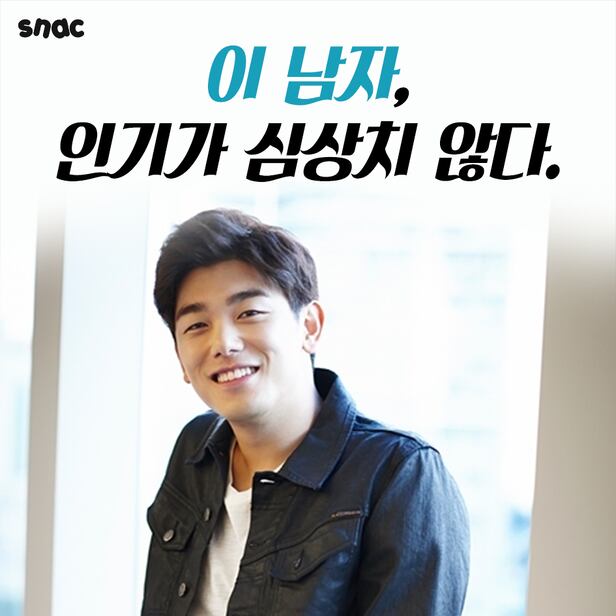
✨ 문법 포인트: -앗/었었- (-at/eot-eot-)
의미: 과거의 일이 현재와 단절되었음을 강조할 때 사용합니다.
Emphasizes that a past action is no longer true or is disconnected from the present.예문: "작년에는 한국어 공부가 어려웠었지만 지금은 재미있어요."
Example: "Korean study used to be difficult last year (but it's not anymore), and now it's fun."4. Practical Problem Solving (실전 문제 풀이)
[문제 1] 밑줄 친 부분에 나타난 '나'의 심정으로 알맞은 것을 고르시오.
[Q1] Choose the appropriate feeling of 'I' in the underlined part."오랫동안 준비한 프로젝트가 끝났다. 팀원들은 모두 기뻐했지만, 나는 어딘가 마음 한구석이 텅 빈 것 같았다."
정답: 2번 (허탈하다 - Heo-tal-ha-da)
해설: '마음이 텅 빈 것 같다'는 큰 일을 끝낸 후의 허무함(Emptiness)을 뜻합니다.
Explanation: "Feeling like one's heart is empty" refers to the sense of emptiness or hollowness after finishing a big task.[문제 2] 다음 상황에서 인물의 심정으로 가장 적절한 것은?
[Q2] What is the most appropriate feeling of the character in the following situation?"고향 친구가 연락도 없이 갑자기 우리 집 앞에 찾아왔다. 나는 너무 놀라 아무 말도 할 수 없었다."
정답: 3번 (반갑고 놀랍다 - Ban-gap-go nol-lap-da)
해설: 친구의 갑작스러운 방문은 긍정적인 놀람과 반가움을 동시에 의미합니다.
Explanation: A friend's sudden visit implies both positive surprise and gladness.5. Culture Note & Review Check (복습 필수 체크)
인물의 심정은 직접적인 형용사가 없다면 '행동'을 통해 추측하세요!
If there are no direct adjectives, guess the character's feelings through their 'actions'!- ✔️ 한숨을 쉬다 (Sigh) ➡️ 답답하다, 후회스럽다
- ✔️ 눈시울이 붉어지다 (Eyes redden) ➡️ 감동적이다, 슬프다
- ✔️ 가슴이 벅차다 (Heart is full) ➡️ 감격스럽다, 뿌듯하다
Super Real Korean과 함께 한국어 마스터하기
매일 업데이트되는 TOPIK 필수 어휘와 실전 문제로 고득점을 달성하세요.
구독하기 (Subscribe) 심화 학습 (Listening Attitudes)


댓글
댓글 쓰기