K-Myth(10)The Legend of Namudoryeong(나무도령) : The Korean Noah's Ark myth '한국판 노아의 방주 신화'
나무도령 신화
(The Legend of Namudoryeong)
🌊 대홍수 속에서 인류를 다시 일으킨 나무의 아들
The Son of the Tree Who Rebuilt Humanity After the Great Flood
대홍수로 온 세상이 물에 잠겼을 때 선녀와 목신의 아들인 나무도령은 살구나무를 타고 떠내려가며 위험에 처한 동물들과 한 소년을 구해주었습니다. 홍수가 끝난 뒤 구출했던 소년의 모함으로 위기를 맞았으나 동물들의 보은으로 진실을 밝히고, 홀로 남은 할머니와 딸을 만나 새로운 인류를 다시 일으켰습니다. 이 신화는 대자연에 대한 경외심과 인과응보, 그리고 공동체의 재건을 나타냅니다.
When a great deluge submerged the world, Namudoryeong, the son of a heavenly maiden and a tree spirit, floated on a giant tree trunk and rescued endangered animals and a human boy. After the flood, despite being betrayed by the boy he saved, Namudoryeong overcame the crisis with the help of the grateful animals, met an old woman and her daughter, and established a new generation of humanity. This myth symbolizes reverence for nature, karma, and the rebirth of community.
📖 나무도령 이야기 (The Story of Namudoryeong)
아주 먼 옛날, 하늘에서 내려온 선녀와 거대한 목신(목령) 사이에서 '나무도령'이라는 아이가 태어났습니다. 어느 날 하늘에서 끝없는 폭우가 쏟아져 온 세상이 거대한 바다처럼 물에 잠기기 시작했습니다.
A very long time ago, a child named 'Namudoryeong' was born between a heavenly maiden who descended from the sky and a giant tree spirit. One day, torrential rain poured endlessly from the sky, and the entire world began to be submerged like a vast ocean.
KO: [하늘에서 폭우가 쏟아져 온 세상이 물에 잠기기 시작했습니다.] / EN: [Ha-neul-e-seo pog-u-ga sso-da-jeo on se-sang-i mul-e jam-gi-gi si-jak-haet-seum-ni-da.]아버지인 거대한 나무가 쓰러지자, 나무도령은 줄기에 올라타 물 위를 떠다녔습니다. 표류하던 나무도령은 물에 빠져 죽어가는 개미 떼와 모기 떼, 그리고 동물들을 차례로 구해주었습니다.
When his father, the giant tree, fell down, Namudoryeong climbed onto the trunk and floated on the water. While drifting, Namudoryeong rescued swarms of drowning ants, mosquitoes, and wild animals one after another.
KO: [나무도령은 물에 빠진 개미와 모기, 동물들을 구해주었습니다.] / EN: [Na-mu-do-ryeong-eun mul-e ppa-jin gae-mi-wa mo-gi, dong-mul-deul-eul gu-hae-ju-at-seum-ni-da.]잠시 후 한 소년이 물에 떠내려오며 살려달라고 부르짖었습니다. 나무 아버지는 "사람은 배은망덕하니 구해주지 마라"라고 경고했으나, 불쌍히 여긴 나무도령은 끝내 그 소년도 구해주었습니다.
"제발 저를 살려주세요! 은혜는 평생 잊지 않겠습니다!"
A moment later, a human boy came floating down, crying out for help. Although his tree father warned, "Humans are ungrateful, do not save him," Namudoryeong felt pity and eventually rescued the boy as well.
KO: [불쌍히 여긴 나무도령은 그 소년도 구해주었습니다.] / EN: [Bul-ssang-hi yeo-gin na-mu-do-ryeong-eun geu so-nyeon-do gu-hae-ju-at-seum-ni-da.]마침내 대홍수가 끝나고 높은 산꼭대기에 도달한 그들은 홀로 살아남은 할머니와 두 딸을 만났습니다. 하지만 구출된 소년은 나무도령을 모함하여 할머니의 딸과 먼저 결혼하려고 거짓말을 했습니다.
Finally, as the great flood ended, they reached a high mountain peak where they met an old woman and two daughters who had survived alone. However, the rescued boy framed Namudoryeong and lied in order to marry the old woman's daughter first.
KO: [구출된 소년은 나무도령을 모함하여 거짓말을 했습니다.] / EN: [Gu-chul-doen so-nyeon-eun na-mu-do-ryeong-eul mo-ham-ha-yeo geo-jit-mal-eul haet-seum-ni-da.]위기의 순간, 나무도령에게 은혜를 입었던 개미 떼가 모래에 섞인 조를 걸러내 주었고, 모기 떼가 진짜 딸이 있는 방을 알려주어 진실을 밝힐 수 있었습니다. 마침내 나무도령은 짝을 찾아 새로운 인류의 시조가 되었습니다!
In the moment of crisis, the ants saved by Namudoryeong sorted millet mixed in sand, and mosquitoes guided him to the room with the real daughter, revealing the truth. Finally, Namudoryeong found his partner and became the ancestor of a new humanity!
KO: [나무도령은 짝을 찾아 새로운 인류의 시조가 되었습니다.] / EN: [Na-mu-do-ryeong-eun jjak-eul cha-ja sae-ro-un in-ryu-ui si-jo-ga doe-at-seum-ni-da.]📚 어휘장 이론 기반 심화 어휘 설명
나무도령 신화의 핵심 의미장은 '구원', '보은', 그리고 '재건'입니다. 핵심 어휘를 구조적으로 분석해 봅시다.
The core lexical field of the Namudoryeong myth consists of 'salvation', 'repaying favors', and 'rebuilding'. Let's structurally analyze the key vocabulary.
구출하다 (To rescue / To save)
KO: [구출하다] / EN: [Gu-chul-ha-da]상세 설명: 위험이나 위급한 재난 상황에 빠진 생명이나 사람을 안전하게 구해내는 행위를 뜻합니다. 대홍수 속에서 동물들과 소년을 건져낸 나무도령의 주체적인 행동을 나타내는 필수 핵심 동사입니다.
Deep Dive: Refers to the act of safely extracting a living being or person caught in a dangerous or critical disaster situation. It is an essential core verb representing Namudoryeong's proactive action of pulling animals and the boy out of the great flood.
| 유의어 (Synonyms) | 구조하다 (To rescue), 구제하다 (To relieve/save) |
|---|---|
| 반의어 (Antonyms) | 방치하다 (To neglect), 버리다 (To abandon) |
| 확장어 (Expansion) | 긴급 구출 (Emergency rescue), 인명 구출 (Life rescue) |
| 활용 예시 (Collocation) | 나무도령은 물에 빠진 동물들을 무사히 구출했습니다. (Namudoryeong safely rescued the drowning animals.) |
재건하다 (To rebuild / To reconstruct)
KO: [재건하다] / EN: [Jae-geon-ha-da]상세 설명: 파괴되거나 무너진 체제, 사회, 혹은 공동체를 다시 일으켜 세우는 것을 의미합니다. 대홍수 이후 멸망한 세상을 일으키고 인류의 새 출발을 이루어낸 신화적 결말과 직결됩니다.
Deep Dive: Meaning to raise up and re-establish a destroyed or collapsed system, society, or community. It directly connects to the mythological ending of rebuilding a ruined world after the deluge and achieving a fresh start for humanity.
| 유의어 (Synonyms) | 복구하다 (To restore), 중흥하다 (To revive) |
|---|---|
| 반의어 (Antonyms) | 파괴하다 (To destroy), 해체하다 (To dismantle) |
| 활용 예시 (Collocation) | 홍수 이후 새로운 문화를 재건했습니다. (They rebuilt a new culture after the flood.) |
✍️ 핵심 문법 (Essential Grammar)
1. -아/어 주다 (To do something for someone)
다른 사람이나 대상을 위하여 어떤 행동을 제공할 때 사용하는 대표적인 수혜 문법입니다.
A representative grammar pattern used when performing an action for the benefit of another person or object.
예문: "나무도령은 위험에 처한 개미와 모기를 구출해 주었습니다."
Example: "Namudoryeong rescued the endangered ants and mosquitoes for them."
2. -(으)ㄴ/는 바람에 (Because of / As an unexpected result of)
예상치 못한 부정적 원인이나 급작스러운 상황으로 인해 어떤 결과가 일어났음을 나타낼 때 씁니다.
Used to indicate that a certain outcome occurred due to an unexpected negative cause or sudden situation.
예문: "갑자기 큰비가 내리는 바람에 온 세상이 물에 잠겼습니다."
Example: "Because heavy rain suddenly fell, the whole world was submerged in water."
🏛️ 문화적·신화적 의의와 상징성
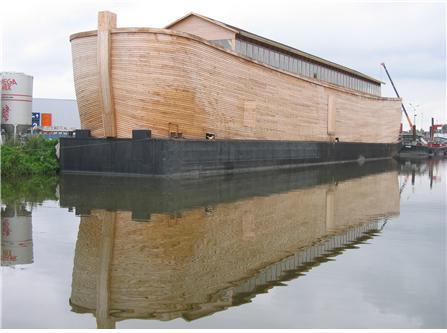
1. 한국판 노아의 방주 (Korean Flood Myth): 나무도령 신화는 메소포타미아나 수메르, 성경의 노아의 방주처럼 전 세계에 공통적으로 존재하는 대홍수 재건 신화의 한국적 형태입니다. 기술이나 방주 대신 '자연 생명체(나무)' 자체가 구원의 주체가 되는 자연 친화적 세계관을 반영합니다.
1. The Korean Noah's Ark: The Namudoryeong myth is the Korean version of the global deluge and rebirth myth found in Mesopotamia and the biblical Noah's Ark. Rather than technology or a ark, it reflects a nature-friendly worldview where a 'natural living entity (tree)' itself becomes the agent of salvation.
2. 동물의 보은과 인과응보 (Gratitude of Nature & Karma): 배은망덕한 인간 소년과 대비되어 은혜를 잊지 않고 갚는 미물(개미, 모기)의 모습은 자연과의 상생과 도덕적 인과법칙을 강조하는 한국 전통 민속 윤리의 정수를 보여줍니다.
2. Animal Gratitude & Karma: In contrast to the ungrateful human boy, the small creatures (ants, mosquitoes) that never forget a favor and repay it demonstrate the essence of traditional Korean folk ethics emphasizing harmony with nature and moral karma.
✍️ 실전 복습 퀴즈 (Review Quiz)
Q1. 위험이나 위기 상황에 빠진 생명을 안전하게 구해내는 단어로 알맞은 것은?
Q1. Which word means to safely rescue a living being caught in a dangerous or critical situation?
Q2. 원인을 나타내는 문법을 사용한 알맞은 문장은?
Q2. Which sentence correctly uses the grammar expressing an unexpected cause?


댓글
댓글 쓰기