phrasal verb '찾아주다 (찾다 + 주다)' Learn Korean with vivid news & TOPIK Lv.2 Practice
📌 This post is part of the TOPIK Essential Hub.
Phrasal Verb '찾아주다'
Contextual TOPIK Practice
[cha-ja-ju-da] • 'To find and return something for someone'
📰 Real-World Sentences from the News
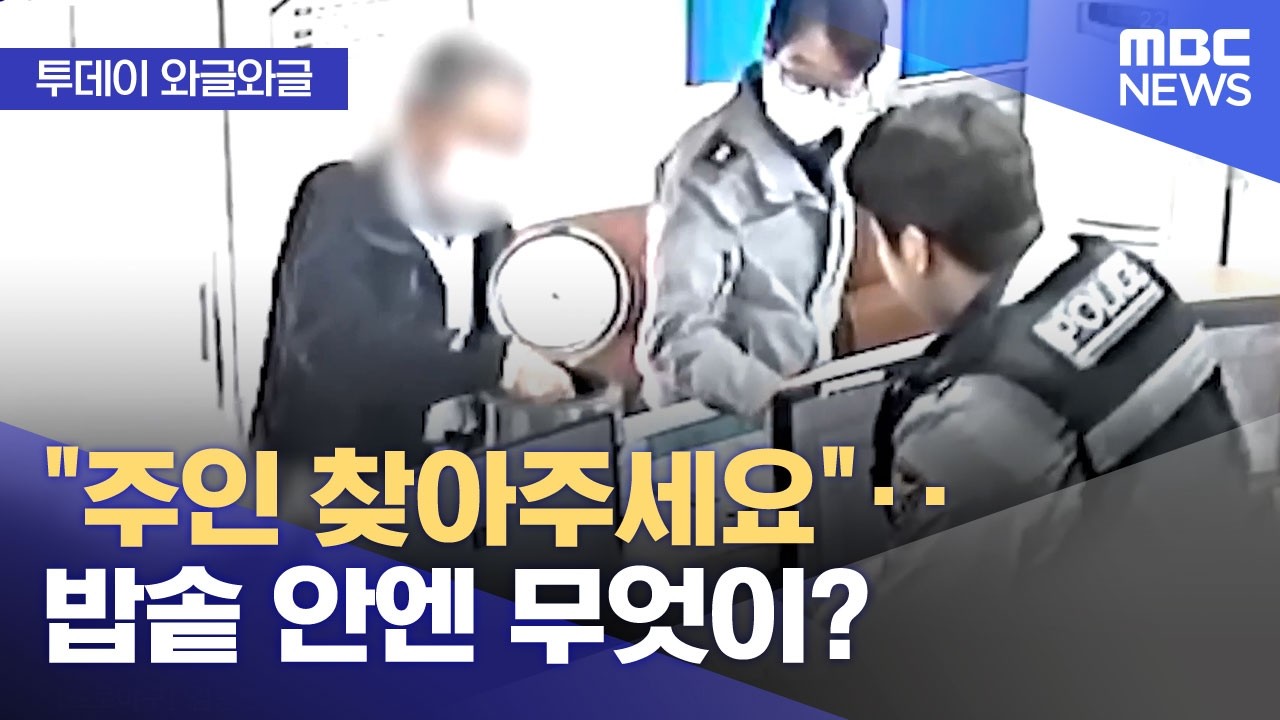
1. 경비원은 근무를 마친 뒤 곧장 밥솥을 들고 지구대를 찾아 주인을 찾아 달라고 신고했습니다.
After finishing his shift, the security guard immediately went to the neighborhood police station with the rice cooker and filed a report, asking them to find the owner.
2. 알고 보니 밥솥 주인은 최근 돌아가신 어머니의 유품을 정리하다 안에 내용물을 제대로 확인하지 않고 분리 수거장에 내놓은 것이었습니다.
As it turned out, the owner of the rice cooker had placed it in the recycling area while sorting through their recently deceased mother's belongings, without properly checking the contents inside.
3. 경비원 덕분에 잃어버릴 뻔한 어머니의 유품을 무사히 되찾은 유족들은 감사의 뜻을 표했고요 누리꾼들은 어머니의 마지막 선물이 가족들에게 돌아가서 다행이라며 정직한 경비원에게 감사를 전했습니다.
Thanks to the security guard, the bereaved family safely recovered their mother's precious keepsakes that were almost lost forever and expressed their profound gratitude. Meanwhile, netizens commented that it was a relief her final gift made its way back to the family, conveying their deep appreciation to the honest guard.
💡 Lexical Analysis: '찾아주다'
1. Composition & Structural Meaning
'찾아주다'는 동사 '찾다(To look for / find)'의 어미 뒤에 보조동사 '-어 주다(To do something for someone)'가 결합된 형태입니다. 단순히 무언가를 발견하거나 탐색하는 행위(찾다)를 넘어, '타인을 위해 그 행위를 수행하여 이익이나 호의를 제공함'을 명확하게 나타냅니다.
The word '찾아주다' elegantly combines the primary verb '찾다' (to look for/find) with the auxiliary structure '-어 주다' (to perform an action as a favor or service for someone). It shifts the semantic focus from a simple individual discovery to a benevolent act directed at benefiting another person.
2. Semantic Reinforcement via Verb Aggregation
한국어에서 'V-아/어 주다' 구조는 동작의 방향성이 화자나 주어로부터 제3자 또는 청자에게 향함을 보여주며, 행동의 목적성이 '대상의 혜택'에 있음을 강조하여 문장의 맥락적 의미를 강화합니다.
In Korean syntax, the 'V-아/어 주다' construction establishes a clear grammatical direction from the agent toward the beneficiary. This explicitly signals that the outcome of the action is intended as an act of service, care, or kindness for someone else.
• 주인을 찾다 (Focuses strictly on the physical act of searching/locating)
Finding the owner.
• 주인을 찾아주다 (Integrates the altruistic intent of returning the item to its rightful owner)
Finding and returning it to the owner as a favor.
3. Common Counterparts & Extensions
| Base Verb | Compound Verb | Semantic Shift & Practical Application |
|---|---|---|
| 만들다 To make |
만들어주다 | 타인을 위해 음식을 만들거나 기회를 제공함 To cook food or intentionally craft an opportunity for someone else. |
| 사다 To buy |
사주다 | 상대방에게 물건을 구매하여 선물로 건넴 To purchase an item explicitly to present it to someone as a gift. |
| 알아보다 To check / investigate |
알아봐주다 | 남을 위해 정보를 탐색해주거나 가치를 인정함 To look up tracking information on behalf of someone or validate their worth. |
✍️ Essential TOPIK Level 2 Vocabulary
💡 1. 주인 [ju-in]
의미: 물건이나 집, 사업체 등을 자기의 소유로 가지고 있는 사람.
Definition: Owner, proprietor, or host.
| Antonym | 손님 (Guest / Customer) |
|---|---|
| Context Example | 경찰은 아파트 CCTV를 토대로 밥솥의 주인을 찾았습니다. |
💡 2. 확인하다 [hwak-in-ha-da]
의미: 틀림없이 그러한지 틀림없는 사실을 알아보거나 다잡다.
Definition: To check, verify, double-check, or confirm.
| Synonyms | 점검하다 (To inspect), 검사하다 (To examine) |
|---|---|
| Context Example | 안에 내용물을 제대로 확인하지 않고 분리 수거장에 내놓았습니다. |
💡 3. 감사 [gam-sa]
의미: 고맙게 여기는 마음, 또는 그런 인사나 표현.
Definition: Gratitude, appreciation, or thanks.
| Antonym | 원망 (Resentment / Grudge) |
|---|---|
| Context Example | 유족들은 정직한 경비원에게 깊은 감사를 전했습니다. |
✍️ Core Grammar Analysis
💡 1. V-아/어 달라고 하다 [Indirect Quotation for Requests]
Usage Rule: Deployed when an agent quotes a request made to a third party to perform an action for the speaker or a designated person.
의미: 다른 사람에게 어떤 행동을 해 줄 것을 요청하거나 명령하는 내용을 간접적으로 전달할 때 사용하는 문법입니다. (요청을 받는 대상에 상관없이 행동의 혜택이 화자나 제3자에게 가느냐에 따라 '주다'가 '달라'로 변경됨)
Grammar Function: Used to indirectly report a request or demand where someone asks another person to do a favor ("asked to do something for them").
Example: 경비원은 지구대를 찾아 주인을 찾아 달라고 신고했습니다.
💡 2. V/A-지 않고 [-ji ang-go]
의미: 앞말이 나타내는 행동이나 상태를 부정하면서 뒷문장을 연결할 때 쓰는 표현으로, '안 V'의 격식 있는 연결형태입니다.
Grammar Function: Equivalent to "without doing V" or "not doing A and...". It connects two clauses seamlessly by negating the initial action or state.
Example: 밥솥 안의 내용물을 제대로 확인하지 않고 쓰레기장에 버렸습니다.
💡 3. V-(으)며 [-myeo / -eu-myeo]
의미: 두 가지 이상의 사실을 동등하게 나열하거나, 두 가지 이상의 동작을 동시에 진행함을 나타내는 문어체적 연결어미입니다.
Grammar Function: Connective suffix used to systematically list multiple parallel facts or indicate simultaneous actions occurring concurrently ("and", "while").
Example: 마지막 선물이 가족들에게 돌아가서 다행이라 말하며 감사를 전했습니다.
✍️ Interactive Practice Quiz
Q1. 다음 문장의 빈칸에 들어갈 가장 알맞은 어휘/문법은 무엇입니까?
Select the most contextually appropriate option to complete the sentence below:


댓글
댓글 쓰기