Real Korean Lifestyle : 떡볶이-Tteokbokki - Nostalgic Snack Culture of the 70s and 80s | Topik grammar for Lv 1~2
📌 K-Food History & Cultural Intelligence: Learning Korean through Culture (떡볶이 편)
밀가루 시대의 제왕: 떡볶이
7080 학생들의 집결지, 추억의 분식 문화 (The King of the Flour Era: Tteokbokki)- 70년대와 80년대, 학교 앞 포장마차와 분식집은 아이들의 대표적인 집결지였습니다.
- 저렴한 가격과 뛰어난 맛으로 떡볶이는 학창 시절을 상징하는 추억의 음식으로 자리 잡았습니다.
- 1970년대 서울 신당동에서 손님이 직접 볶아 먹는 ‘즉석 떡볶이’가 개발되며 전국적인 인기 열풍을 일으켰습니다.
- 떡볶이의 역사는 단순한 간식을 넘어 한국 Modern Cultural History와 시대적 라이프스타일을 담고 있습니다.
📺 Live Broadcast & Historical Context
Explore the authentic archival documentary video reviewing the historical evolution of Tteokbokki and the birth of Sindang-dong Tteokbokki Alley.
🥘 학생들의 자석, 추억이 깃든 포장마차와 분식집
70년대와 80년대, 학교 앞 포장마차와 분식집은 아이들의 집결지였습니다. [00:00:43] 저렴한 가격 덕분에 학생들은 마치 자석에 이끌리듯 이곳으로 모여들었습니다. 엄마가 해주는 밥보다 더 맛있게 느껴졌던 그 시절 떡볶이는 학창 시절의 추억 그 자체입니다. [00:02:43]
In the 70s and 80s, pojangmacha (street stalls) and snack bars in front of schools were gathering places for children. Thanks to the low prices, students flocked here as if drawn by magnets. Tteokbokki back then, which felt tastier than mom's cooking, is the essence of school-day memories.
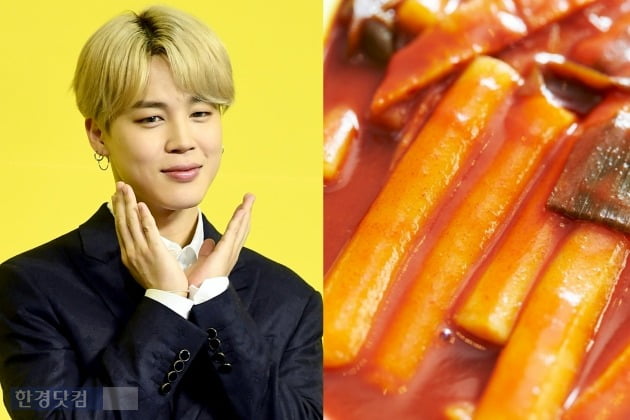
특히 1970년대 서울 신당동에서는 독특한 방식의 즉석 떡볶이가 탄생했습니다. [00:01:31] 단순히 접시에 담아주는 것이 아니라, 손님이 직접 프라이팬에 떡, 채소, 고추장, 춘장을 넣고 볶아 먹도록 하여 폭발적인 인기를 끌었습니다. [00:02:01]
Notably, in the 1970s, a unique style of 'Jeok-seok Tteokbokki' (cooked on the spot) was born in Sindang-dong, Seoul. Rather than simply serving pre-made dishes, allowing customers to sauté rice cakes, vegetables, gochujang, and chunjang in a frying pan gained explosive popularity.
📚 High-Yield Vocabulary Masterclass
Master these essential TOPIK expressions extracted from the cultural text to enhance your Korean vocabulary and reading proficiency.
1. 집결지 [jip-gyeol-ji]
2. 즉석 [jeuk-seok]
3. 추억 [chu-eok]
✍️ Advanced Syntax Structural Blueprint
Deconstruct these foundational intermediate-to-advanced grammar patterns utilized in narrative writing.
Functional Analysis: Recalls a past action or state that was repeatedly or continuously experienced in the past, contrasting it with the present.
실전 적용: 이곳은 제가 학창 시절에 자주 가던 단골 분식집이에요.
Live Implementation: This is the regular snack bar I used to go to frequently during my school days.
Functional Analysis: Indicates causing, permitting, or instructing someone to carry out a specific action or achieve a state.
실전 적용: 손님들이 직접 프라이팬에 볶아 먹도록 했어요.
Live Implementation: They let the customers stir-fry it themselves in a frying pan.
Level Up Your Korean Vocabulary
Access curated TOPIK guides and authentic cultural intelligence briefs.
Master Essential TOPIK Guide✏️ Editorial Assessment Exercises
Validate your comprehension of vocabulary and grammar through these authentic test scenarios.
Q1. Context Scenario: Choose the vocabulary word that best describes cooking meals right at the table in front of customers.
신당동은 손님이 ( ) 요리해 먹는 떡볶이 골목으로 유명합니다.
Q2. Complete the sentence by choosing the retrospective modifier pattern meaning [used to eat]:
어릴 때 자주 ( ) 떡볶이 맛이 그리워요.


댓글
댓글 쓰기